Tiny Habitat: A compact 5x5 puzzle about building ecosystems
Build a functioning miniature ecosystem on a 5x5 grid, placing lakes, wildlife, and mountains one card at a time under an adjacency constraint. Tiny Habitat, from Cuauhtemoc Calvario Zavala (ccalvario), is an Android puzzle title that blends board game placement with mobile accessibility. Key systems include a belt-based card selector, distinct scoring rules per tile, and a minimalist aesthetic. It suits puzzle players who want short, thoughtful sessions on mobile.
What kind of game is Tiny Habitat?
Tiny Habitat is a grid-based logic puzzle that mixes board game tactics with card placement. The core loop asks the player to choose a card from a moving belt and place it on a 5x5 board, with the rule that each new tile must sit adjacent to the last. Decision-making focuses on spatial relationships and local scoring interactions between lakes, mountains, wildlife, and structures.
How steep is the learning curve?
The learning curve comes from two interlocking systems: the adjacency placement rule and the unique scoring logic assigned to each card type. New players learn placement consequences quickly because each tile's points depend on neighbors, while the belt forces trade-offs between immediate value and future options. The design supports short plays, so players can practice a few rounds and refine placement patterns.
What does the game look and sound like?
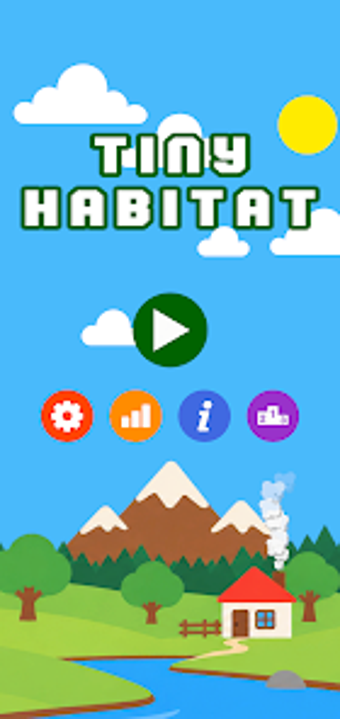
The presentation is minimalist, using a clean, distraction-free visual design that keeps focus on placement and scoring. Icons for bears, fish, lakes, and mountains are distinct, which helps read the board at a glance. Sound and atmosphere emphasize calm, reinforcing the game's thoughtful pace rather than action-driven audio cues, matching the intended Zen-like mobile play sessions.
What keeps you coming back after the first session?
Replayability rests on the belt-based card selection and varied scoring interactions. The procedural nature of the selection belt changes costs and available tiles each run, so different scoring combinations appear across plays. The constrained 5x5 grid and tile relationships encourage multiple approaches to maximize score, which makes short, repeated sessions meaningful for strategy refinement.
In summary, Tiny Habitat rewards careful, repeatable planning
Tiny Habitat suits players who enjoy compact, deliberate puzzle sessions where each placement matters. It favors strategic thinking over fast reflexes, so it fits those seeking measured, repeatable plays rather than long-form sandbox experimentation. Players who prefer open-ended construction should expect a tight, constraint-driven experience rather than expansive creative room.